Benefits of Copper Gutter Installation for Premium Homes
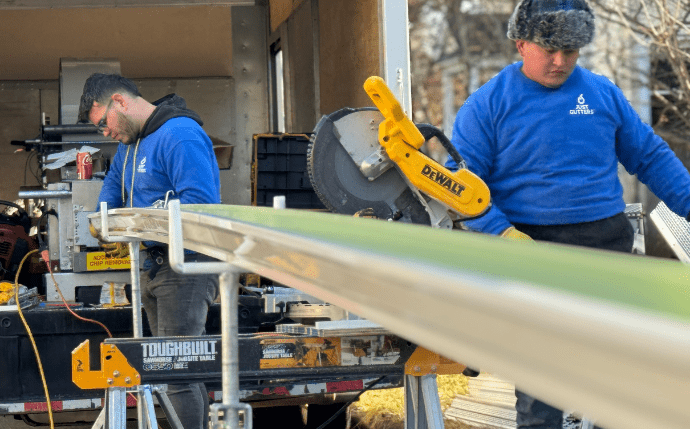
Premium homes ask more from every exterior detail. Roofing, masonry, windows, trim, and drainage all need to work at a higher standard, not just visually, but over decades of exposure. Gutters often get treated as a practical afterthought, yet they have an outsized effect on both appearance and building performance. On high-value properties, that matters.
Copper gutter installation stands apart from standard aluminum or vinyl systems because it solves two problems at once. It manages water with exceptional durability, and it adds architectural character that improves with age rather than declining under it. When specified well and installed by a capable crew, copper gutters become part of the house’s long-term identity.
That sounds lofty for something mounted along the roofline, but anyone who has walked an older estate, a custom stone home, or a well-preserved historic property has seen the difference. Copper does not simply hang there. It develops presence. It catches light on day one, then settles into a patina that makes the home look established and intentional. More important, it protects fascia boards, foundations, siding, soffits, and landscape beds from repeated water damage.
The appeal is not universal. Copper costs more up front, and it is not the right fit for every house or budget. But for premium homes, especially those designed with natural stone, cedar, slate, brick, or high-end painted trim, it often becomes the most coherent choice.
Why material choice matters more on expensive homes
A modest house can often tolerate a few cosmetic compromises. A premium home rarely can. Roof edges are highly visible, and drainage systems interact with expensive materials that are difficult to repair. When gutters fail on a large custom home, the consequences show up in places owners care deeply about: stained masonry, peeled paint, rotted cornices, washed-out planting beds, basement moisture, and erosion near walkways and terraces.
The bigger the roof, the greater the stakes. Large homes shed a tremendous volume of water during a serious storm. A one-inch rainfall on a 3,000 square foot roof can produce roughly 1,800 gallons of runoff. Scale that to a 6,000 or 8,000 square foot roof with valleys, steep pitches, dormers, and concentrated discharge points, and gutter performance becomes a structural concern, not just a maintenance item.
This is where copper earns its place. It is not chosen Gutter Installation only because it looks expensive. It is chosen because it holds up under demanding conditions and complements homes where owners expect systems to age gracefully.
Copper ages in a way most materials do not
Most exterior products fight aging. Copper uses it.
Fresh copper has a warm, reflective tone that pairs beautifully with stone facades, painted brick, dark roofing, and traditional millwork. Over time, it deepens into browns and bronze shades, then gradually develops the familiar green-blue patina in the right climate and exposure conditions. That transition can take years, and it will not happen evenly on every elevation, which is part of its charm.
For premium homes, this aging process has real design value. It gives a newer build a sense of permanence and allows a restored or historic house to avoid the glaring mismatch that can happen with modern prefinished aluminum. A copper system rarely looks out of place on architecture that takes cues from Colonial, Tudor, Georgian, French Country, Mediterranean, or high-end mountain and coastal styles.
I have seen houses where every exterior element was carefully chosen, limestone sills, cedar shake accents, hand-made brick, custom entry doors, and yet the gutters were a flat factory color that visually cheapened the eaves. Replacing those gutters with copper changed the read of the whole facade. The roofline felt finished. The home looked more settled and less assembled.
That effect is hard to quantify, but owners notice it immediately.
Durability that justifies the premium
Copper’s reputation is not based on marketing language. It is based on longevity. Properly fabricated and installed copper gutters can last 50 years or more, and in favorable conditions often much longer. The exact lifespan depends on climate, maintenance, roof runoff chemistry, installation quality, and whether the system uses compatible fasteners and accessories, but the broad point is clear: copper is a long-term material.
By contrast, lower-cost systems usually face a shorter cycle of repainting, seam failure, denting, oxidation issues, fastener loosening, or full replacement. Aluminum is a practical and common choice, and for many homes it performs well. But on a premium property intended for long ownership, copper often proves to be the steadier investment.
Its strength matters in climates with freeze-thaw cycles, heavy snow loads, or strong wind events. Copper does not become brittle the way some materials can. It also resists corrosion exceptionally well when detailed correctly. That matters around coastal environments, wooded sites with heavy moisture exposure, and homes shaded by mature trees.
The caveat is important: material quality does not rescue poor workmanship. A sloppy copper gutter installation can still fail at miters, outlets, hangers, and joints. Expansion and contraction need to be accounted for. Downspout sizing has to match roof area. Fasteners must be compatible. If a contractor treats copper like commodity gutter stock, the owner pays premium prices for average results.
Better water management protects expensive assemblies
The practical benefit of any gutter system is water control, and on large homes that job becomes complex. Tall walls, broad overhangs, multiple roof planes, and architectural projections create concentrated runoff points. Without a well-designed system, even beautiful materials deteriorate faster than they should.
Copper gutters are often fabricated in heavier gauges and custom profiles suited to the architecture. That allows installers and sheet metal shops to design systems that are not only attractive but appropriately sized. Half-round and K-style profiles each have their place, and premium homes frequently benefit from custom conductor heads, larger downspouts, and cleaner transitions that improve flow during peak rainfall.
A quality system helps prevent:
- fascia and soffit rot
- masonry staining and mortar deterioration
- soil erosion near foundations and hardscape
- basement moisture caused by poor runoff control
- ice formation at entries and walkways from misdirected discharge
That list may sound basic, but each item can lead to repairs that dwarf the added cost of copper. Foundation drainage corrections, custom woodwork replacement, masonry cleaning, or repainting a large trim package are not small expenses.
On houses with landscaped perimeters, the water issue becomes even more obvious. Premium homes often have irrigation systems, specimen plantings, uplighting, retaining walls, and carefully graded beds. A weak or undersized gutter system can dump sheets of water into those areas and undo years of landscape investment in one storm season.
Copper is especially effective for custom fabrication
One reason copper remains popular on architect-designed homes is its workability. Skilled sheet metal fabricators can shape it into details that are difficult to execute elegantly with mass-produced materials. That opens the door to custom gutter installation that actually respects the architecture instead of imposing a standard product onto it.
Half-round gutters with decorative brackets are a classic match for historic and European-inspired homes. Box gutters, often concealed within the roof edge, can be lined or rebuilt in copper for a cleaner appearance. Collector boxes and conductor heads add both capacity and visual interest at heavy runoff points. Tapered leader heads can be sized to improve drainage while reinforcing the rhythm of the facade.
These details are not frivolous. On a premium home, exterior systems are often read up close. Guests stand at the front entry. Owners see the rear elevation from patios, pools, and upper windows. Copper rewards that scrutiny because even its functional pieces can be beautifully made.
That is where craftsmanship enters the conversation. The best copper work has crisp soldered joints, proportionate hangers, thoughtful spacing, and downspout placements that feel integrated rather than improvised. A good installer also plans around roof valleys, snow retention systems, trim clearances, and the movement of the metal over time.
Long-term value is not the same as low cost
Copper gutter installation costs significantly more than standard aluminum systems. Depending on region, roof complexity, profile, gauge, and the amount of custom fabrication involved, copper can cost several times as much. There is no reason to pretend otherwise.
What matters is whether the cost aligns with the home and the ownership horizon.
On a speculative build where every dollar is aimed at immediate margin, copper may be hard to justify. On a legacy property, a custom residence, or a renovation where owners are already investing in slate, cedar, copper flashing, premium windows, and masonry restoration, the calculation changes. In that context, copper is often part of a broader strategy: install fewer things, but install them once and install them well.
The resale effect is also worth noting, even if it is hard to isolate into a neat percentage. Buyers in the premium segment are sensitive to cues of quality. They notice real materials. They recognize when drainage and roofline details have been treated seriously. Copper gutters may not make or break a sale by themselves, but they support the perception that the house has been built and maintained without shortcuts.
That perception has value.
Maintenance is simpler than many owners expect
Some homeowners hesitate because they assume copper requires constant polishing or specialized upkeep. In practice, most copper gutters are chosen specifically so they do not need to be kept shiny. The natural finish progression is part of the appeal.
Routine care looks much like the care for any gutter system. Keep debris from accumulating, ensure downspouts remain clear, inspect fasteners and joints periodically, and watch for nearby tree limbs that can scrape or overload sections. The main difference is that copper should be handled by contractors who understand the material. Incompatible metals can create galvanic corrosion, and aggressive cleaning methods can damage the finish.
Owners who want a more uniform early appearance sometimes ask about treatments or coatings. My advice is usually to leave copper alone unless there is a very specific architectural reason to control the finish. Patina develops naturally, and attempts to force it often look artificial. Uneven weathering in the first few years is normal.
The more relevant maintenance question is access. Large homes with steep roofs or multi-story elevations should have a realistic service plan. If the house is surrounded by trees, oversized downspouts, leaf management strategies, and scheduled cleanings may matter more than material selection alone. Copper performs best when the whole drainage approach is thought through.
Where copper makes the strongest case
Copper is not equally persuasive on every home style. It tends to be most successful where the architecture already carries a sense of permanence or handcrafted detail. Stone houses, painted brick homes, timber-and-masonry combinations, slate-roofed residences, and historically informed renovations are natural candidates.
It also performs beautifully in settings where the landscape and architecture are intended to mature together. A copper system can feel almost too formal on a very minimal contemporary house unless other exterior metals support the choice. By contrast, on a classic home with deep eaves and visible roof edges, copper often feels inevitable.
There are also practical site conditions that strengthen the argument. Heavily wooded lots, freeze-thaw climates, salt air exposure, and large complicated roofs all reward tougher, longer-lived materials. If the house has custom wood cornices, expensive limewashed brick, or hand-cut stone near splash zones, stronger drainage protection is not a luxury. It is preservation.
The installation details that separate excellent from expensive
If there is one lesson that repeats itself across high-end exterior work, it is this: premium material exposes mediocre labor. Copper is unforgiving in that way. Done well, it looks precise and timeless. Done poorly, every wavy line, weak joint, and awkward transition remains visible.
Owners considering gutter installation in copper should pay close attention to how a contractor addresses the following issues:
- profile and sizing based on actual roof area, not guesswork
- soldered joints versus overreliance on sealants
- hanger spacing and support for snow or heavy rain conditions
- downspout placement that preserves both function and facade balance
- compatibility with flashing, roofing metals, and fasteners
It is worth asking to see completed projects that are at least a few years old, not just fresh installations. New copper always looks impressive. The real test is how the system settles, drains, and patinates after weather exposure.
Good installers also talk honestly about trade-offs. For example, half-round gutters are elegant and often ideal for traditional homes, but they may carry water differently https://www.google.com/maps?cid=3999183471512401406 than larger K-style systems if the roof area is massive. Concealed box gutters can preserve architectural lines, but they require meticulous waterproofing and maintenance access. Decorative conductor heads can help at concentrated discharge points, but only if they are sized and connected properly.
That level of judgment is what premium homeowners are really paying for.
Copper complements other high-end building materials
One understated benefit of copper is how well it relates to the materials commonly found on luxury homes. Stone, brick, wood, zinc, slate, and painted trim all age in visible ways. Copper belongs in that company because it changes honestly. It does not try to imitate another material, and it does not depend on a factory finish to remain convincing.
That makes the exterior composition feel more coherent. A limestone facade with slate roofing and copper gutters reads differently from the same facade with a generic prefinished system. The difference is subtle from a distance, but close up it becomes obvious. The materials speak the same language.
This harmony also extends to architectural accessories. Copper can tie into bay window roofs, chimney caps, flashing, finials, cupolas, and porch roof accents. When these elements are designed together, the house gains a consistent visual thread rather than a collection of unrelated parts.
Not every project should use copper
A professional assessment should include the cases where copper is not the best answer. If the home’s architecture is highly modern and intentionally crisp, another metal may better match the design language. If the budget cannot support proper fabrication and installation, it is smarter to choose a good aluminum system than to underfund a copper one.
The local environment matters too. Runoff from certain roofing materials, contact with incompatible metals, or neglected tree debris can shorten service life or create avoidable issues. In some neighborhoods, theft risk is part of the conversation, especially during construction or on vacant properties. These are not reasons to dismiss copper, but they are reasons to plan carefully.
Owners should also think about their tolerance for natural variation. Copper will not weather like a painted product with a fixed color. If uniformity over time is the top priority, another material may suit the project better.
Why premium homes keep returning to copper
There is a reason copper remains visible on landmark houses, custom residences, and serious restoration work. It solves the water problem effectively while adding depth that manufactured finishes struggle to replicate. It protects vulnerable parts of the building envelope. It lasts. It develops character instead of simply deteriorating. And when crafted well, it elevates the entire roofline.
For a premium home, those qualities are not decorative extras. They support the larger goal of building a house that still looks right twenty or thirty years from now.
That is the real benefit of copper gutter installation. It aligns function with permanence. On a high-value property, that alignment is rarely accidental, and it is almost always worth paying attention to.
Just Gutters LLC
Address: 262 Main St, Hackettstown, NJ 07840
Phone number: +12013319454
FAQ About Gutter Installation Hackettstown
Can I install a gutter myself?
Yes, you can install gutters yourself. DIYers typically use aluminum or vinyl sections from home improvement stores. The project requires basic tools, precise measuring, and comfort working on ladders. Key steps include snapping a chalk line for a slight slope (1/4 inch per 10 feet toward downspouts), securing hangers every 2 feet, and caulking all joints securely.
How much does body contouring usually cost?
The Home Depot typically charges between $1,000 and $3,600 for a standard professional gutter installation on a typical single-family home with 200 linear feet of gutters. Calculated on a per-foot basis, the cost usually ranges from $5 to $18 per linear foot, highly dependent on the material you select.
How much does a 40 ft seamless gutter cost?
A 40 ft seamless gutter run will cost between $240 and $1,120+ fully installed, depending on the material you choose. Because seamless gutters require specialized on-site fabrication machines, they are rarely sold as DIY kits and are priced per linear foot.